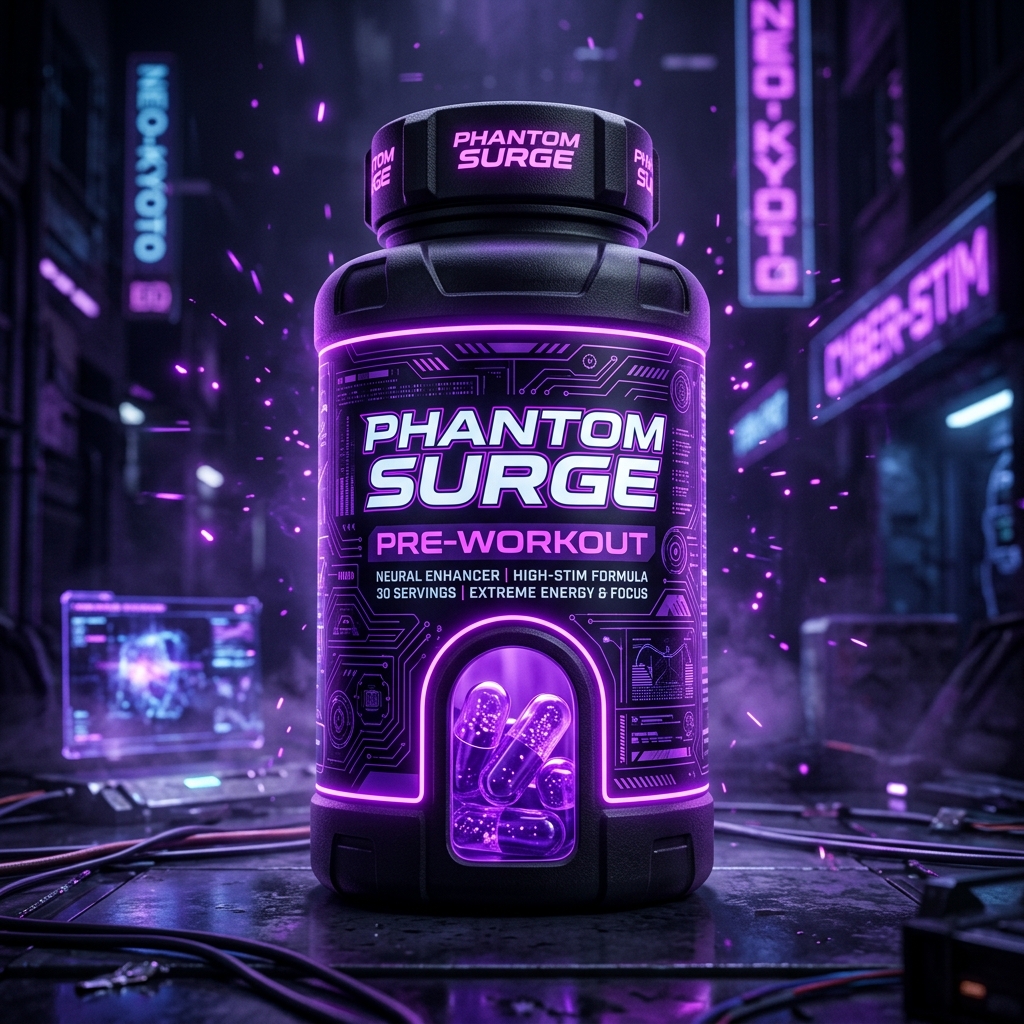
PHANTOM SURGE
Pre-Workout — $59 CAD
L-Citrulline
6,000mgConverts to arginine, boosting nitric oxide production. Enhances blood flow, oxygen delivery, and endurance. Clinical dose: 6-8g (Trexler et al., 2019).
Caffeine Anhydrous
350mgCentral nervous system stimulant. Improves strength output 3-5%, reduces perceived exertion. Doses above 3mg/kg body weight are effective (Grgic et al., 2020).
Beta-Alanine
3,200mgBuffers hydrogen ions, delaying muscular fatigue during sets of 60-240 seconds. May cause harmless tingling (paresthesia). Clinical dose: 3.2g (Hobson et al., 2012).
L-Tyrosine
1,000mgDopamine precursor. Protects cognitive function under physical and mental stress. Particularly effective during sleep deprivation (Jongkees et al., 2015).
Alpha-GPC
300mgCrosses blood-brain barrier to increase acetylcholine. Enhances mind-muscle connection and power output (Bellar et al., 2015).
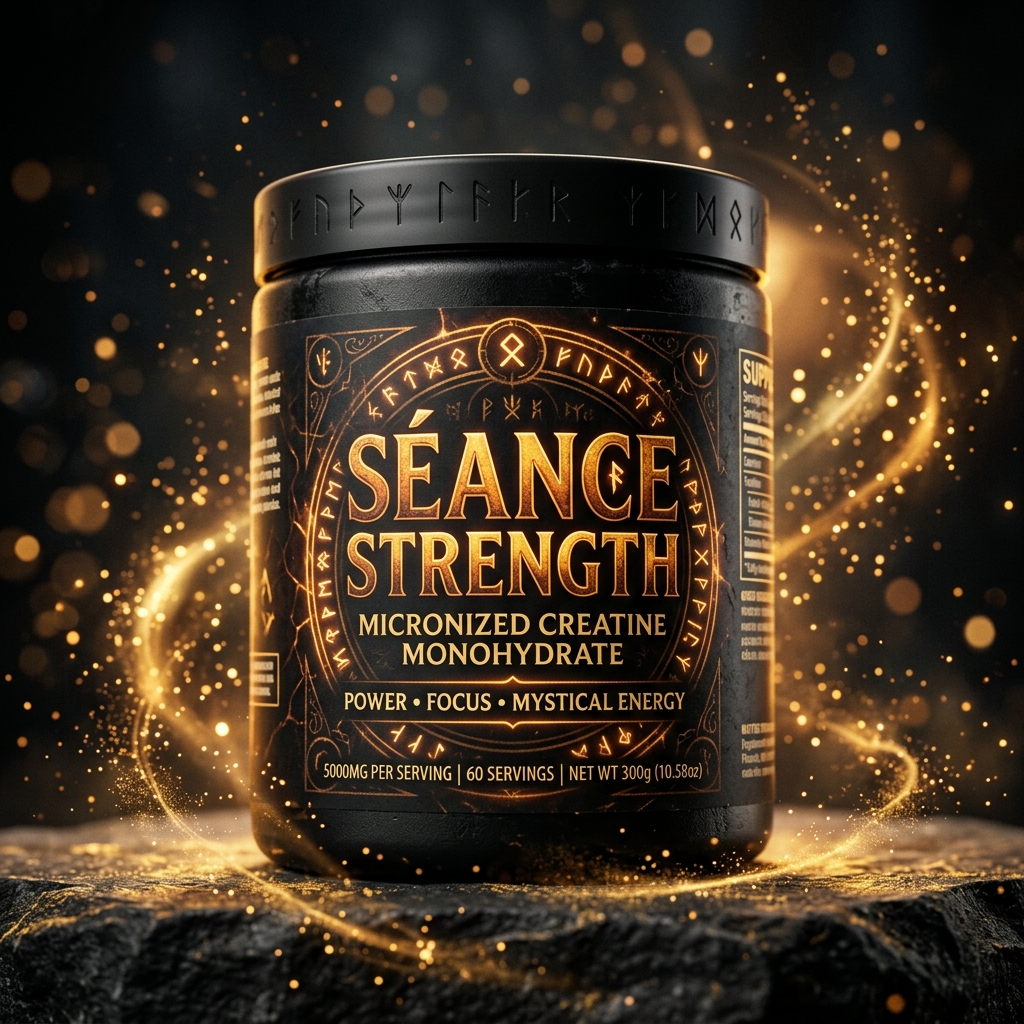
SÉANCE STRENGTH
Creatine Monohydrate — $34 CAD
Creatine Monohydrate
5,000mgMost studied supplement in sports nutrition (~700 peer-reviewed studies). Increases phosphocreatine stores, improving ATP regeneration during high-intensity effort. 5-10% strength gains typical within 4 weeks. Monohydrate remains the gold standard; no other form has superior bioavailability (Kreider et al., 2017).
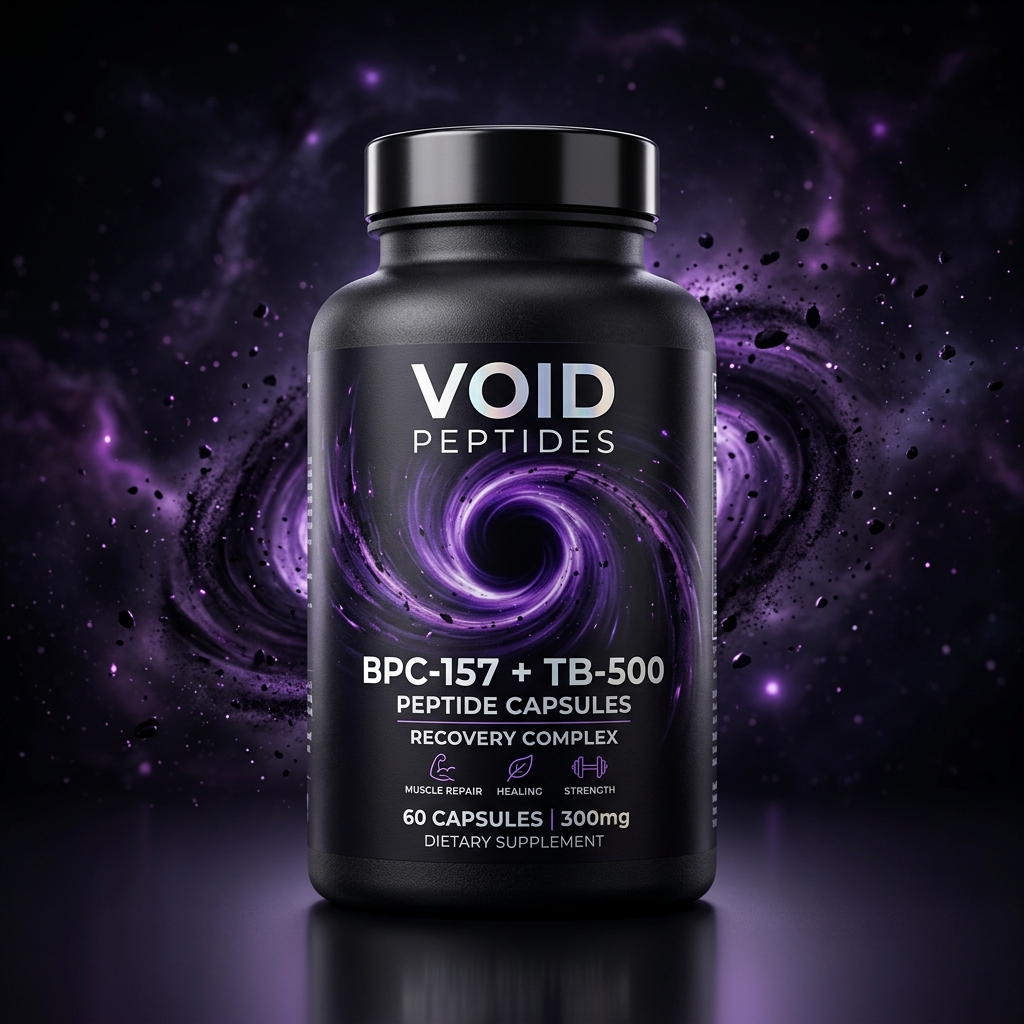
VOID PEPTIDES
Recovery Peptides — $89 CAD
BPC-157
500mcgBody Protection Compound, a 15-amino acid peptide originally isolated from human gastric juice. Preclinical studies show accelerated healing of tendons, ligaments, muscles, and gut tissue. Promotes angiogenesis and VEGF expression (Sikiric et al., 2018).
TB-500 (Thymosin Beta-4)
750mcg43-amino acid peptide involved in tissue repair and regeneration. Upregulates actin, a cell-building protein important in wound healing. Studies show reduced inflammation and improved tissue flexibility (Goldstein et al., 2012).
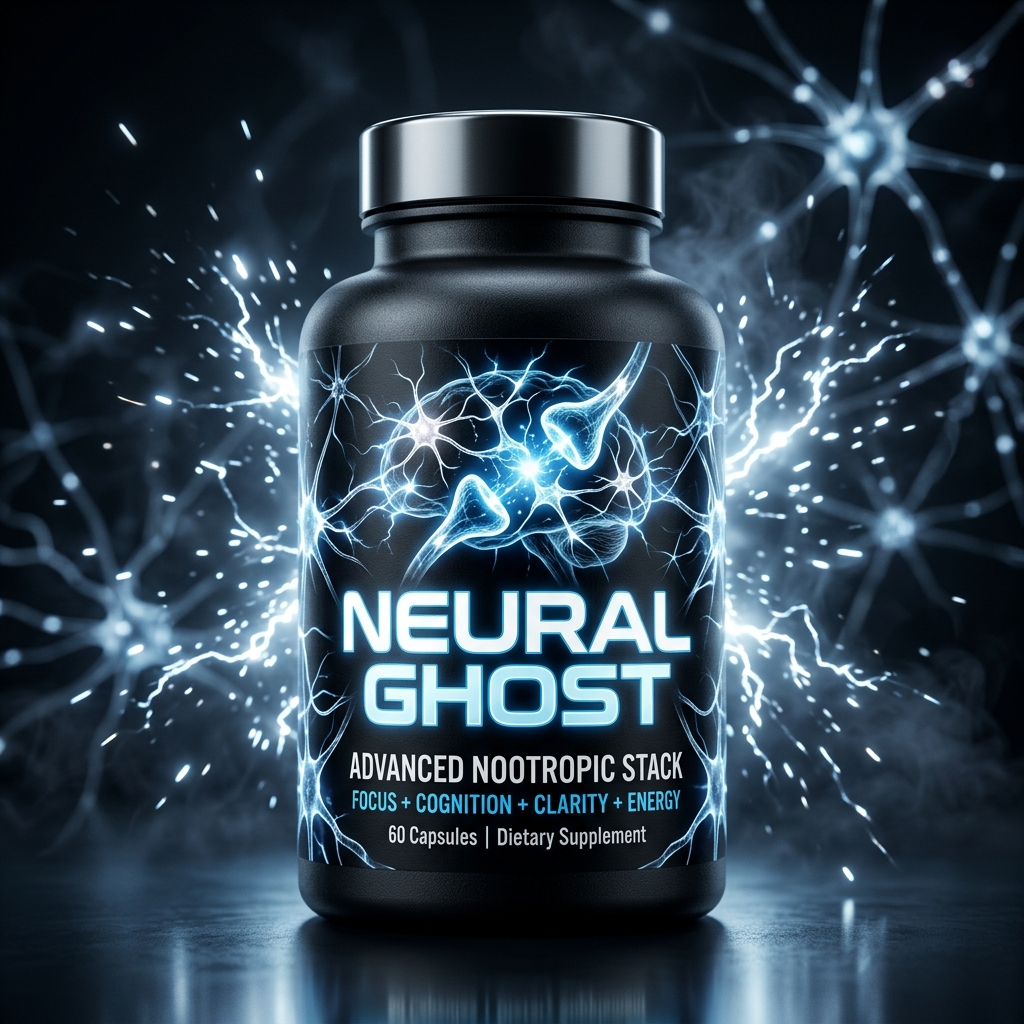
NEURAL GHOST
Nootropic Stack — $59 CAD
Alpha-GPC
600mgMost bioavailable choline source. Directly supports acetylcholine synthesis for enhanced memory formation and recall. 600mg is the clinical dose used in cognitive studies (Tamura et al., 2006).
Lion's Mane Extract
1,000mgStimulates nerve growth factor (NGF) production, supporting neuroplasticity and long-term brain health. Dual extract (fruiting body + mycelium) at 30% polysaccharides (Mori et al., 2009).
Bacopa Monnieri
300mgAyurvedic adaptogen. 12-week studies show improved attention, cognitive processing, and working memory. Standardized to 50% bacosides (Kongkeaw et al., 2014).
L-Tyrosine
500mgCatecholamine precursor. Maintains cognitive performance under stress, particularly during multi-tasking and sleep deprivation. No caffeine interaction.
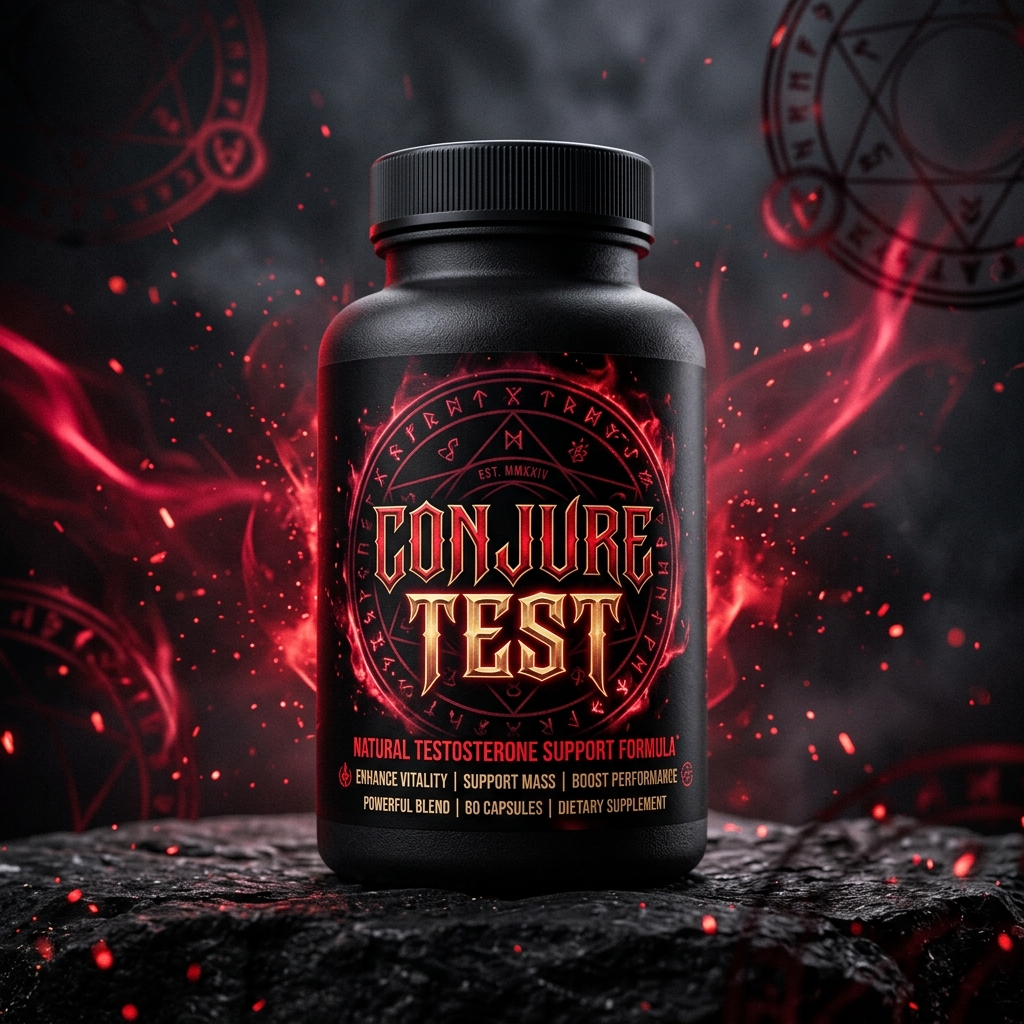
CONJURE TEST
Natural Testosterone Support — $64 CAD
Tongkat Ali (Eurycoma longifolia)
400mg200:1 hot water extract. Meta-analysis shows significant improvements in total testosterone, free testosterone, and DHEA. Also reduces cortisol by up to 16% (Leong et al., 2021).
KSM-66® Ashwagandha
600mgFull-spectrum root extract. Clinically shown to increase testosterone by 17%, reduce cortisol by 27%, and improve recovery. 600mg is the studied dose (Wankhede et al., 2015).
Fadogia Agrestis
600mgStem extract shown to increase testicular function in preclinical models. Often paired with Tongkat Ali for synergistic effects. Emerging research with growing clinical interest.
Boron
10mgTrace mineral. At 10mg/day, reduces SHBG (increasing free testosterone), lowers inflammatory markers, and improves vitamin D metabolism (Naghii et al., 2011).
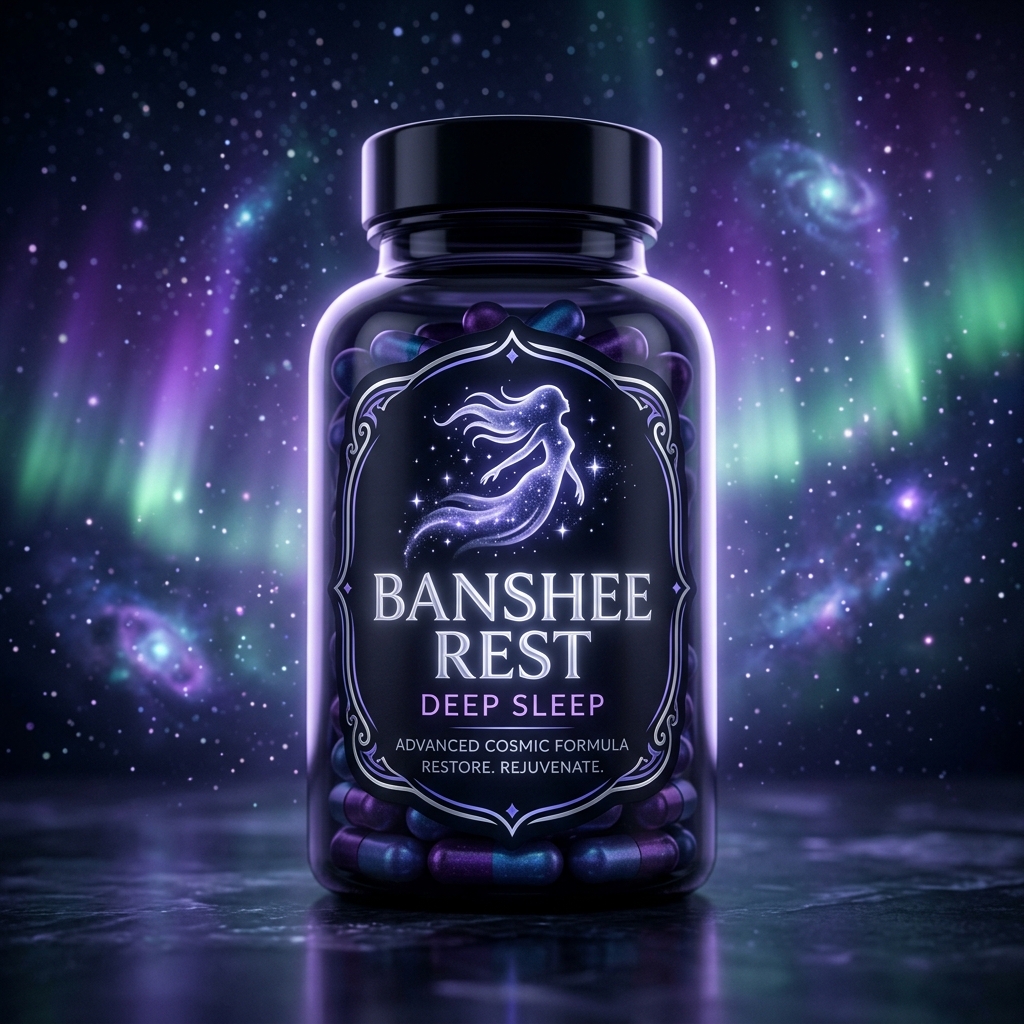
BANSHEE REST
Deep Sleep Formula — $49 CAD
Magnesium Glycinate
400mgHighly bioavailable chelated form. Activates the parasympathetic nervous system, reduces cortisol, and improves sleep quality. Glycinate form avoids GI distress common with oxide/citrate (Abbasi et al., 2012).
L-Theanine
200mgAmino acid from green tea. Increases alpha brain waves, promoting relaxation without sedation. Synergistic with magnesium for sleep onset (Hidese et al., 2019).
Apigenin
50mgFlavonoid from chamomile. Binds to benzodiazepine receptors, reducing neural excitability without dependency risk. Popularized by Dr. Andrew Huberman for deep sleep enhancement.
KSM-66® Ashwagandha
300mgAt lower doses, ashwagandha primarily acts as an anxiolytic via GABAergic modulation. Reduces time to sleep onset and increases non-REM sleep stages.